


Content previously published in the Farmers Guardian
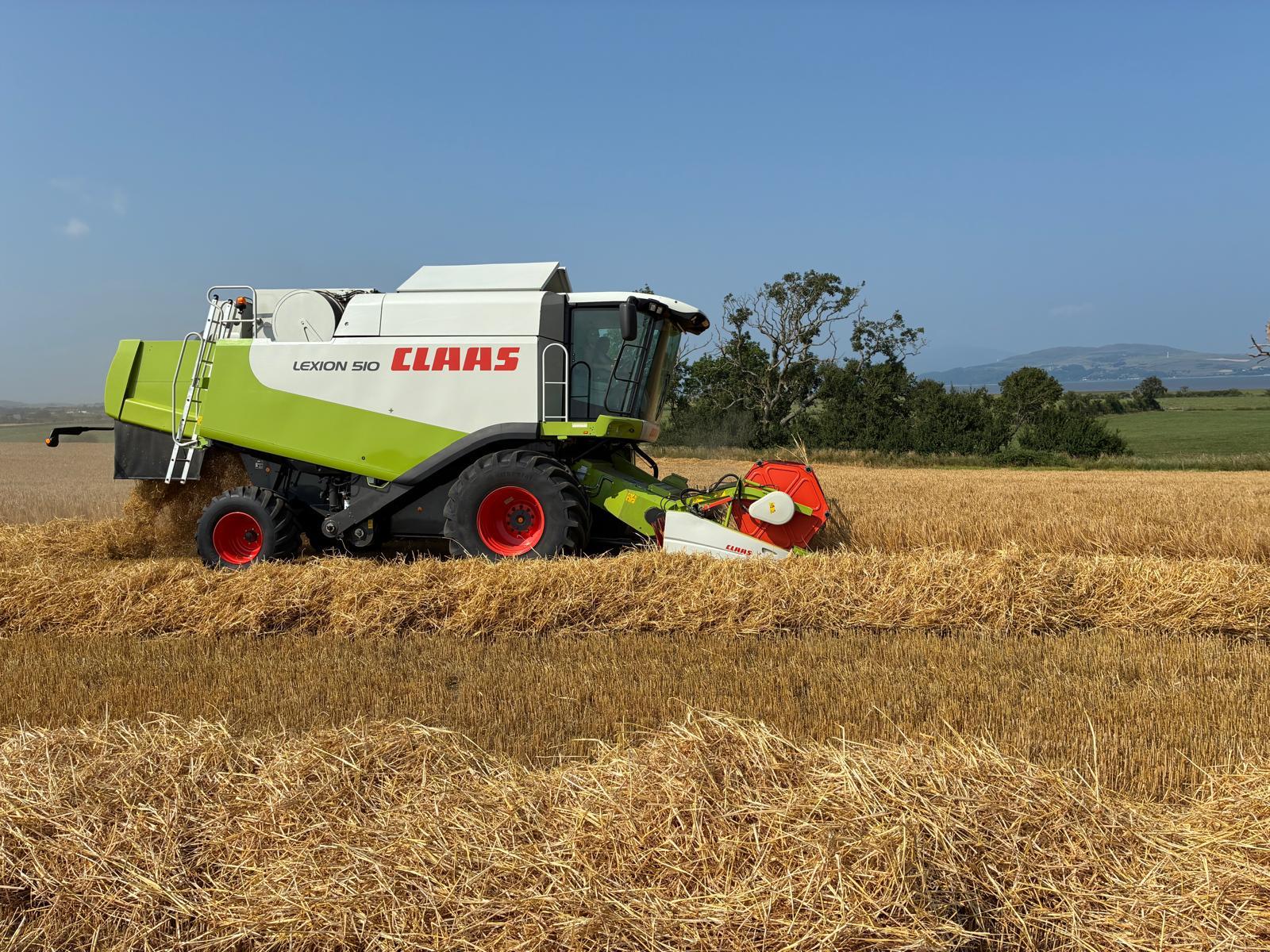
Harvest is well underway in Cumbria with whole cropped wheat and barley, and winter barley grain harvests virtually complete. Combining of winter wheat and spring barley will start imminently, if it hasn’t already, meaning that a significant amount of combinable cereals will have been harvested by the end of July, which is very unusual in this region.
I’m hopeful of decent wheat yields, not least because winter barley grain yields, on the whole, have been reasonable, despite barley yellow dwarf virus infections.
Winter wheat yield performance will probably swing the balance between persevering with some of the Yr15, yellow rust susceptible varieties or switching away after that disease was more prevalent this spring than our usual septoria infections.
A lot of cleared ground after winter barley and whole cropped wheat will be reseeded with new leys or forage crops for winter feeding, with the priority to minimise cultivations before sowing to maintain moisture and keep costs down. Growers have been holding off starting, hoping for some rain.
Feed these forage crops well. Depending on previous cropping, soil type and farming system, applications of organic manure and / or bagged fertiliser could be needed, as you won’t get a bumper crop of stubble turnips or forage rape just from the reserves in the soil in many situations.
 📷 Jan Vos
It’s possible in the future that drones could be used to seed these forage crops into standing crops just before harvest. Some of my customers used drones for the first time to under sow maize with winter cover or companion crops, although with the lack of rain recently it’s too early to see the results yet.
We’ve also experimented with drones to apply foliar urea to maize at a time when it can be too late to use trailed machines to apply N without causing physical crop damage. It will be interesting to see if delaying applications to around the tasselling stage, which I think mirrors more closely when the crop starts to run out of seedbed nitrogen, works better than the current practice of earlier applications.
Fodder beet is meeting in the rows, and there’s not much signs of virus yellows…yet. I say, yet, as we had such big problems with aphids in cereal crops, I’ve been expecting virus yellows in beet crops even though we didn’t see too many aphids in crops.
The first bout of hot weather slowed grass growth, but most growers have completed second or third cuts. While subsequent rain kept growth going initially, we need some rain now to keep grass yields on par. Dairy farmers will be hoping that if there is a shortage of forage that reduces milk yields there will be a corresponding increase in price.
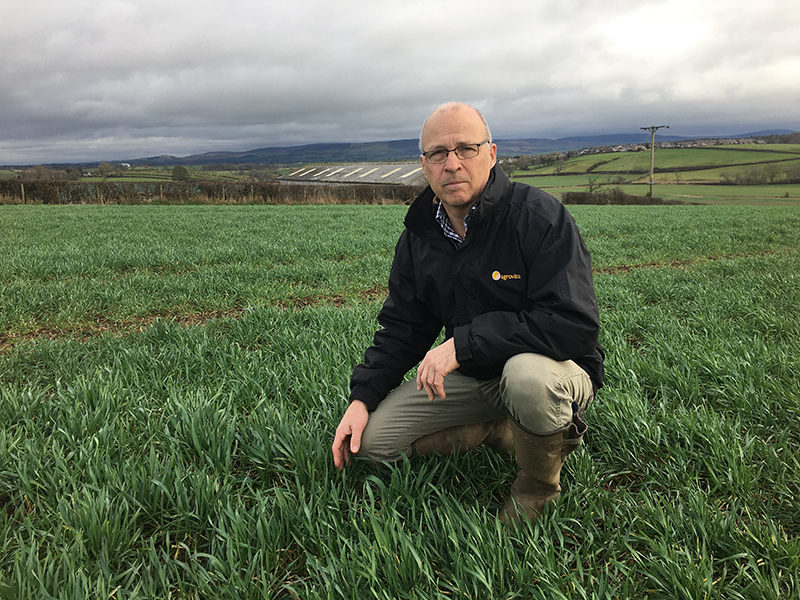
Simon Nelson advises farmers on a wide range of arable and forage crops across Cumbria and into south-west Scotland.