


Managing pests and controlling diseases in vineyards can be challenging in a conventional setting, let alone in an organic situation, writes Agrovista fruit technical manager Alex Radu.
In organic systems, control options are both limited and often less effective than in conventional vineyards, meaning that farms need to adopt top-notch integrated pest management (IPM) to achieve high quality and sustainable yields.
That means doing everything possible to support the crop’s resilience to both biotic and abiotic stresses through good crop management, thorough monitoring and timely interventions.
Healthy soils are the starting point, whether it is a conventional or organic vineyard – a healthy soil, supplying the correct nutrition levels will help vines establish better and build the crop resilience required to sustain high quality crop production.
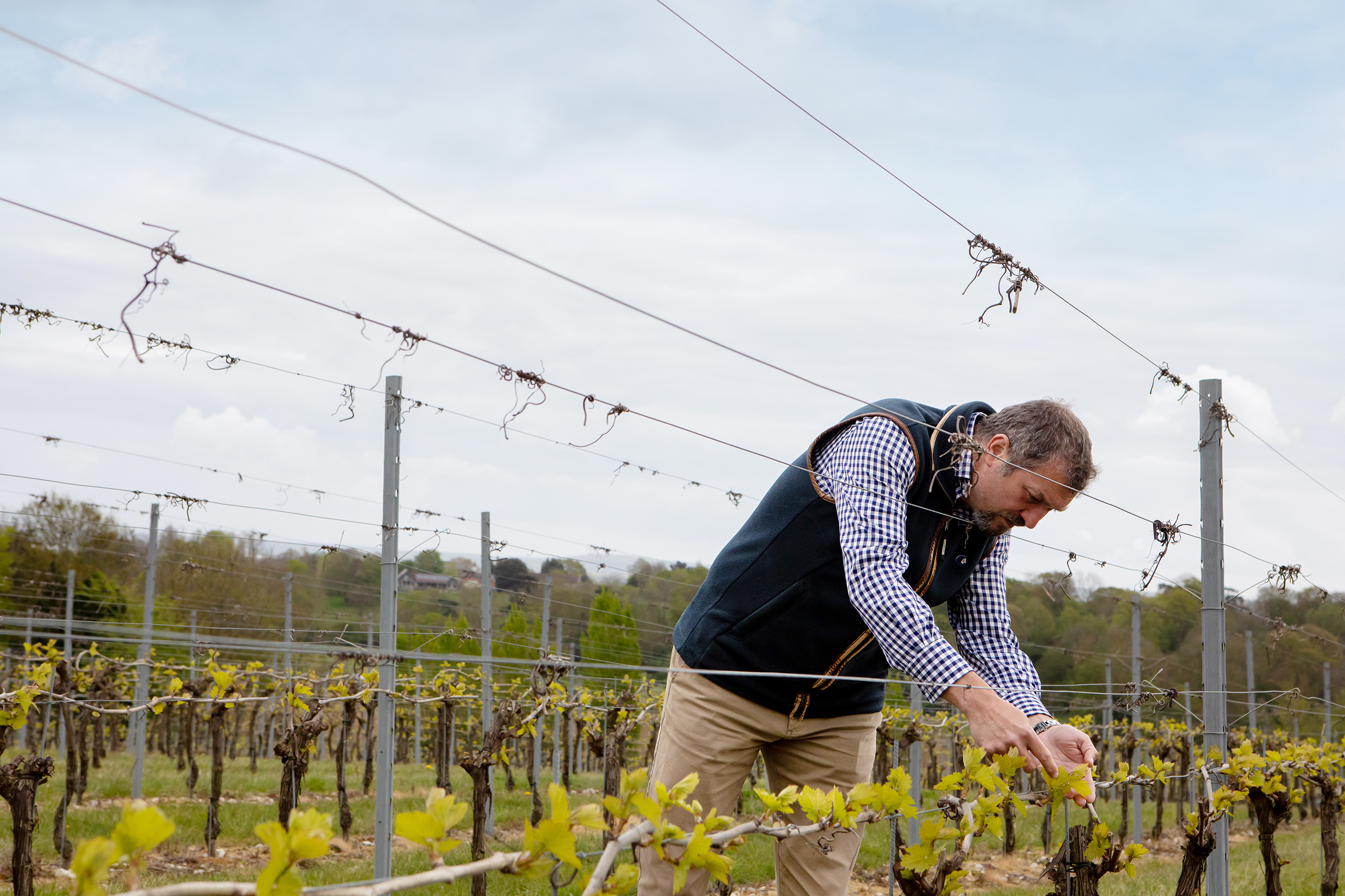 Alex Radu
Sample and test soils regularly and address any nutrient requirements promptly to avoid deficiencies, while focusing on improving organic matter levels, which have a good correlation with improved soil health.
In organic systems, this can be achieved with applications of organically-approved compost and organic fertiliser, while minimising soil disturbance
helps make sure organic matter isn’t lost through faster decomposition.
Organic matter levels can be further improved by establishing interrow strips including a diverse range of plant species, especially wildflowers. Such diversity feeds and supports wider soil microbial communities, improving nutrient cycling so the vines are better able to access and extract necessary nutrients.
Wildflowers, or strips of diverse plant species, also act as hosts for arbuscular mycorrhizal fungi.
These beneficial fungi help vines cope better with stress, improving the xtraction of soil moisture and some nutrients, while reducing pathogen activity in the root zone by creating a physical barrier.
They also actively transfer photosynthetic carbon from the host plants’ roots and convert it into stable soil compounds, directly contributing to carbon sequestration. While some fields can have naturally occurring arbuscular mycorrhizal fungi, it can be helpful to apply a blend of five native strains that can help plant establishment and support crop production.
Crop resilience
The use of other biostimulant products can also support crop resilience. Seaweed-based products such as Kelpak organic, Organomex speciality feeds, Maxicrop Concentrate or Maxicrop Natural Fertiliser significantly improve grapevine health, stress resilience, and grape quality.
These are typically applied as foliar sprays, but can also be soil drenches, stimulating root growth, enhancing photosynthesis and helping vines withstand and recover from environmental stress factors like drought and temperature extremes.
Products which contain a strain of endophytic bacteria that fix atmospheric nitrogen, such as Vixeran or Nuvenio, can be applied – sometimes under a derogation for use – to help top up available nitrogen. Nitrogen is essential for canopy
growth, flowering, fruit set and ripening, but too much nitrogen can increase disease pressure, although that is typically less of an issue in an organic system.
Pest and disease management
Effective pest and disease management in organic vineyards relies on crop hygiene, preventive measures, and careful monitoring. Treatments should be applied only when there is a real risk.
Site, hygiene, and canopy management all affect pest and pathogen pressure.
Windbreaks can protect vines and help conserve soil moisture, but they must be managed carefully to avoid reducing airflow and increasing disease risk.
Similarly, it is important to maintain good airflow around the bunches, as they develop, and to improve sunlight levels.
Pruning and cane selection are important in determining yield potential, but also the carryover and build-up of disease inoculum on farm. Shoot thinning and leaf removal significantly improve airflow, lowering disease risk and improving fruit quality and ripening.
Grapevine trunk diseases, such as Esca and Eutypa dieback, are long-term pathogens that enter through pruning wounds and afterwards colonize the woody tissues and vascular system of vines.
Control relies on prevention and good pruning practices. Avoid pruning in wet conditions, removing infected wood, and sanitising pruning tools are important to reduce infection risk.
If infection risk is high, consider protecting pruning wounds with sealants or making treatments with approved bio-fungicides, such as Vintec, which contains a naturally occurring microorganism that protects plants by rapidly closing wounds and physically outcompeting pathogenic fungi.
Downy mildew risk is highest when the weather patterns are conducive to disease development, and we can determine that using disease prediction models such as Agrovista’s Fruit Insight. Cuprokylt (copper oxychloride) is approved for use in organic viticulture, but assessing the optimum timing for application is critical. Copper is toxic to earthworms, so applications of copper-based products should only be made when necessary.
Sulphur-based products, such as Thiopron, Kumulus and Microthiol, can be used in a programme to give powdery mildew control and will also have some small effects on downy mildew.
Time these protectant applications based on disease risk and making use of the available eradicant products, such as Karma or other potassium bicarbonates, based on the risk calculated by prediction models.
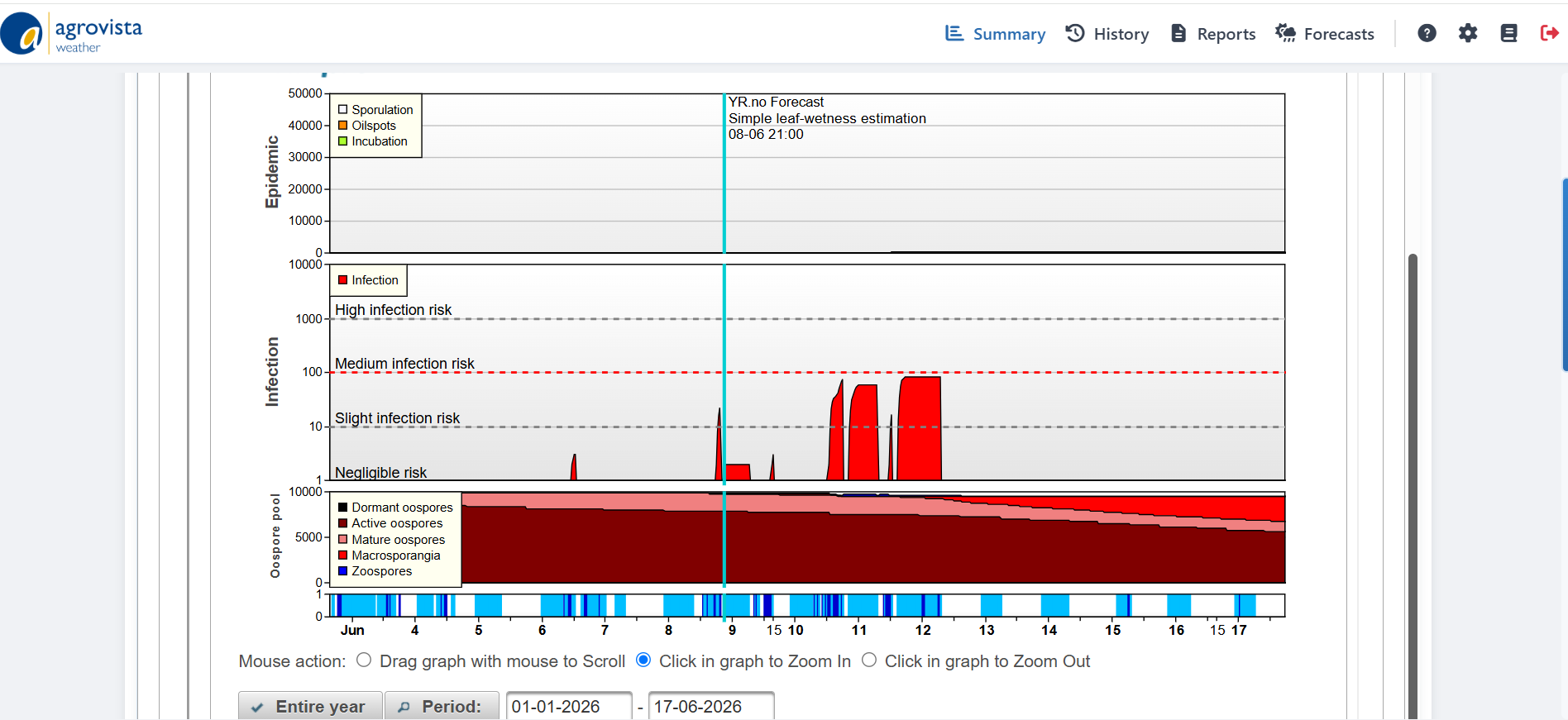 Application of potassium bicarbonate-based products needs to be timed well. This can be from early shoot growth through to fruit development, whenever necessary, with infections established before flowering particularly damaging to the crop.
Early-season control is essential.
Aside from canopy management, botrytis can be managed to some extent with bio-fungicide applications, such as Amylo-X, Serenade ASO, which are based on strains of Bacillus amyloliquefaciens.
Pest control and harvest management is important, as berries with pest damage and also overripe fruits are more susceptible to fungal infection.
Organic vineyards have limited options for pest control, so it is important to support vineyard biodiversity – another good reason to plant wildflower or diverse plant interrow mixes.
Erinose mites do not affect the yield directly, but heavy infestations can reduce photosynthetic efficiency. Well-timed sulphur-based sprays at the beginning of the season suppress the infestation and natural predators will help keep populations in check.
My colleague Ellie Purvis, junior viticultural agronomist in the south, who has recently joined the team, did her final MSc project on moth monitoring in vineyards. In her experience it is important to set pheromone monitoring traps for light brown apple moth from April, as pressure can vary dramatically from site to site. Where the pest pressure is significant, larvae appear on vines around June and July.
Similarly, in the southeast of England, grapevine moth should be monitored from April through to harvest and grape berry moth in July and August.
With a warming climate, monitoring is increasingly important to assess pest pressure and number of generations, as background populations typically increase with rising temperatures.
Pheromone trap catches, in conjunction with regular crops walks, help assess the optimum timing for making applications for control with DiPel (Bacillus thuringiensis) or other approved products.
Another pest, spotted wing drosophila (SWD), is an invasive fruit fly that can severely affect ripening grapes, especially the red varieties destined for still wine. The females lay eggs in healthy, ripening fruit
and crop loss is caused by pathogens colonising the egg-laying hole or by the emerging larva that will consume the berries from the inside.
It is important to monitor for SWD from spring, to assess the pressure on farm and also to make use of perimeter monitoring traps, to help reduce the build-up of the background population of the pest.
Vineyards must support the crop's resilience to biotic and abiotic stress through improved soil health, biodiversity, crop management, thorough monitoring and timely interventions.
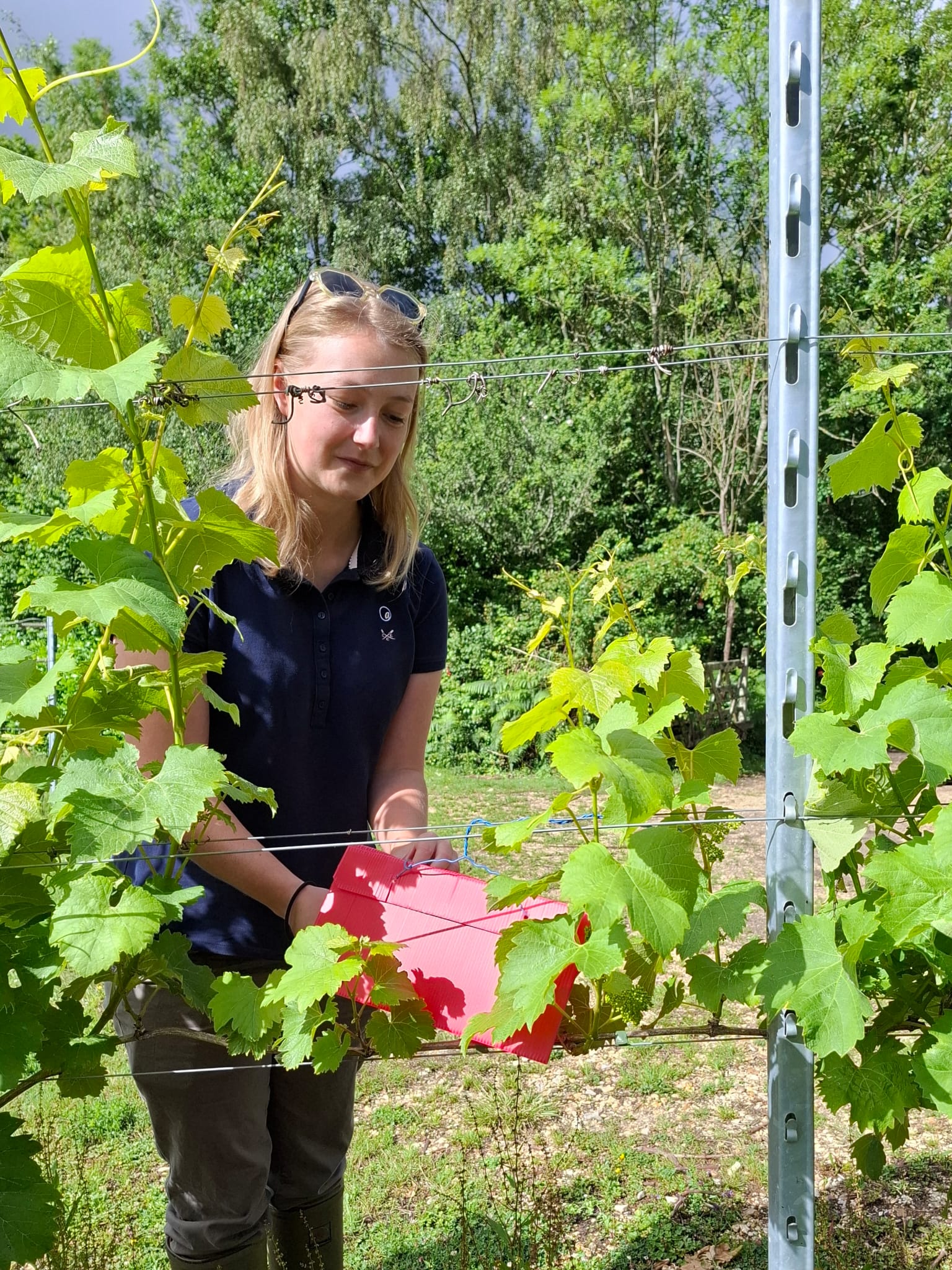 Ellie Purvis
Alex Radu has been part of the Agrovista team since 2009, bringing over 15 years of hands-on experience and deep technical expertise to the UK’s horticultural sector. He began his journey as a horticultural consultant, working closely with fruit growers to develop tailored crop protection and nutrition strategies.
In 2019, he stepped into the role of technical manager, where he continues to play a key role within the business.
Alex is a LEAF-endorsed consultant and is recommended by the organisation to provide accurate, up-to-date advice on sustainable farming through integrated farm management and the LEAF Marque.