


Using well-planned biological control strategies alongside conventional plant protection as required can provide effective control of aphid populations and help protect actives, explains Agrovista fruit technical manager Alex Radu
Aphids are an important pest of fruit crops and Integrated Pest Management (IPM) has to be at the core of their management and control on farm. This involves a holistic approach.
Prevention methods include robust cultural and physical control, as well as the introduction of biocontrol agents and applications of bio-pesticides. Synthetic chemical applications are made only as a last resort.
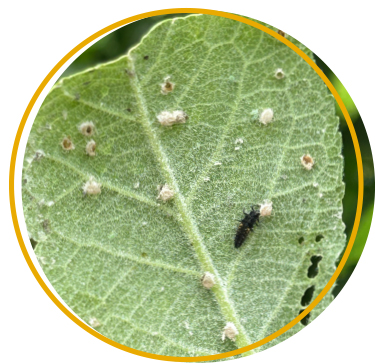
For both perennial and annual fruit crops, a comprehensive IPM strategy has to start with cultural control. An important first step is to ensure a thorough crop hygiene programme pre- and post-seasonal development of crops.
When targeting aphid species, we need to bear in mind their overwintering sites as well as alternative hosts and food sources. Weed control in and around the growing area is an important first step, as these plants can serve as secondary hosts and/or provide food for aphids.
Aphid sexual reproduction can occur on secondary host plants before migration to the crop, so managing these weeds species will help reduce pest build-up, as will the removal of infested plant material. Post-harvest sanitation and pest management will help eliminate over-wintering sites.
Winged rosy apple aphid adults migrate back into apple orchards in the autumn from their secondary host plant, plantain. After sexual reproduction, females lay eggs in the tree canopy. Young aphids hatch in spring and can rapidly build up colonies if not managed well. On farms where rosy apple aphid control was inadequate, we recommend making autumn applications to control aphids before egg-laying, which will greatly reduce spring pressure.
For annual fruit crops, growers should ensure they use good quality planting material. Crop hygiene and good management of growing conditions play a very important role in improving plant health and resilience to pests. Tuning nutrition to crop needs as well as managing temperature and irrigation can reduce crop susceptibility to aphids and prevent fast establishment of colonies.
We also recommend making well-timed applications of biostimulants such as Equilibrium Extra or Kelpak to improve the natural resistance of crops, as well as fruit set. Application of A.nodosum-based seaweed biostimulants also improve crop stress resistance and health. Similarly, silicon-based products like SW7, Sirius and ProTac will also help reduce the susceptibility of crops to aphid feeding and will inhibit the development of colonies.
Pest prevention
A key element of IPM is prevention. Aside from cultural control methods, we recommend measures to physically reduce pest numbers by introducing yellow sticky roller traps or using insect netting to disrupt migration of winged aphids to their host plants.
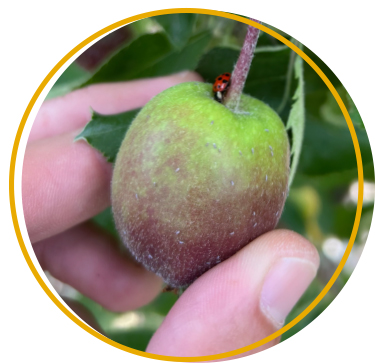

In tree-fruit crops, creating good habitats for naturally occurring orchard beneficials outside and within those crops will help reduce the presence of aphids and other pests. Establishing strips of wildflower mixtures in the alleyways provides a great habitat for predators, parasitic wasps and parasitoids, as well as pollinators.
Monitoring and evaluation
Another important principle of IPM is monitoring and evaluating the development of aphid populations. Pest forecasting models, such as Agrovista’s Fruit Insight, can be invaluable alongside rigorous crop monitoring to establish thresholds for control.
Biocontrol
Agrovista agronomists are specialists in the introduction and management of Koppert biocontrol products to contain pest levels in a wide range of crops.
On soft fruit crops, it is important to use a suitable agent or mix of agents aimed at different aphid species that develop in the crop and to target colonies of different sizes.
Koppert’s Aphiscout is a broad parasitoid mix that includes the parasitic wasp Praon volucre. This product will cover most aphid species present in soft fruit crops. For larger aphid colonies we recommend introducing hoverflies such as Rophoria (Sphaerophoria rueppellii) and Syrphidend (Episyrphus balteatus). Chrysopa larvae (Chrysoperla carnea) can be included where small hotspot areas need treatment.
During the summer Adalia (Adalia bipunctata) is also a good addition to keep general levels under control. On most soft fruit farms, managed introductions of Rophoria and Aphiscout will result in very good control of aphid levels.
Agrovista fruit team is taking a keen interest In the potential uses of Rophoria and other biocontrol agents in UK orchards and will support some trials planned for the UK this season.
Natural plant protection products (PPP)
As a next step in our IPM approach, we will consider using physically acting products and bio-PPP. Provided the timing and quality of the applications are adequate, these naturally derived products will, alongside other IPM measures, help contain the build-up of aphid populations.
Synthetic PPPs

In some instances, we cannot avoid resorting to conventional, synthetic chemical products. When doing so, our agronomists specialise in choosing the most suitable products and application timings to achieve optimum control while minimising the risk to non-target species, especially biocontrol agents such as earwigs, ladybirds, anthocorids, hoverflies, lacewings and parasitic wasps.
In most soft-fruit situations, synthetic chemistry is limited to early applications, before biocontrol agents and biological products are used ahead of and during harvest, which fits well with tight harvesting windows.
For tree-fruit crops, early season control of aphids is of paramount importance. Mainman/Teppeki controls a range of aphid species in fruit crops, but it has to be timed properly before colonies are well established. Similarly, when there is sufficient foliage and plant metabolism is fast enough Batavia can be applied, but its timing is of paramount importance. Both Mainman and Batavia have very low effects on non-target species, so suit an IPM approach well.
Aphids are not a common problem in vineyards, but some species can develop, potentially causing stunting, inhibiting growth and reducing fruit quality. It is important to encourage the establishment of naturally occurring beneficials to ensure we preserve the balance of predator versus prey.
Overall, a sound IPM approach touching on all the above-mentioned points is imperative to deliver good aphid control to help achieve healthy, resilient crops that produce sustainable, high-quality yields.
Alex Radu has been part of the Agrovista team since 2009, bringing over 15 years of hands-on experience and deep technical expertise to the UK’s horticultural sector. He began his journey as a horticultural consultant, working closely with fruit growers to develop tailored crop protection and nutrition strategies. In 2019, he stepped into the role of technical manager, where he continues to play a key role within the business.
Alex is a LEAF-endorsed consultant and is recommended by the organisation to provide accurate, up-to-date advice on sustainable farming through integrated farm management and the LEAF Marque.